
What are green building materials, and why use them?
In the past, advances in construction methods and building material manufacturing created more and more waste and new sources of pollution. To solve this problem, the concept of “green building materials” emerged in the late 20th century. Using green building materials can extend a building’s life cycle, maximize the value of environmental resources through material reuse, and effectively control indoor pollution sources to protect residents’ health.
Steel is also an essential element of green buildings. Since its founding, Chien Shun Steel has used the more environmentally friendly electric arc furnace (EAF) steelmaking process with recycled scrap steel as its raw material, making environmental sustainability part of the company’s development.
(Further reading: What Is EAF Steelmaking? How Is Steel Made?)
The hidden risks of traditional building materials
Due to a lack of awareness of the harm building materials can do to the human body, traditional building materials became one factor affecting health. The most typical example is formaldehyde: in the past, assembled furniture, decorative materials and walls all contained excessive sources of formaldehyde emissions, which were the main cause of discomfort for people indoors.
Besides their negative impact on health, early construction methods focused mainly on appearance and lacked the concept of sustainability, often resulting in excessive manufacturing and renovation. According to research by the Architecture and Building Research Institute of the Ministry of the Interior, Taiwan’s construction industry accounts for more than one-fifth of the country’s total carbon dioxide emissions, a considerable share.
Characteristics of green building materials
In view of the negative effects of traditional building materials, the international academic community gradually turned its attention to innovation in building materials and, in 1992, defined “green building materials” as materials that place the least burden on the global environment and are harmless to human health throughout the cycle of raw material extraction, product manufacturing, application, and recycling after use.
Green building materials can be summarized by the following four characteristics:
- Ecological and eco-friendly: Made from natural, local resources, avoiding chemical synthesis and consuming the least energy and resources.
- Renewable: Recycling resources to cut energy consumption and emissions and reduce waste.
- Healthy and safe: Using natural and low-VOC (volatile organic compound) materials, minimizing the harm of synthetic chemical materials.
- High performance: Ensuring material quality and durability through assessment and performance control, with minimal maintenance.
(Further reading: Chien Shun Steel Building Rebar: CNS-Compliant, Flexible Custom Production, Proven Quality)
Chien Shun Steeluses scrap steel as its raw material to care for the earth
Chien Shun Steel uses scrap steel as its raw material and has established green material procurement and inspection to control quality at the source. We apply strict quality control to the impurity content, fragment size and any hazardous items in scrap steel, and our auxiliary raw materials have comprehensive acceptance standards, with sample inspections carried out on every delivery.
By recycling high-quality raw materials, we reduce waste in the environment, minimize waste generation in our production process and, through checks at every stage, pursue our goal of “zero waste.”
Everyone at Chien Shun Steel takes part in protecting the environment
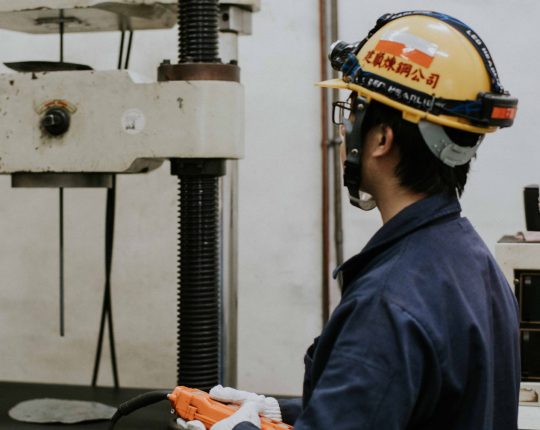
As technology advances, Chien Shun Steel continues to pursue minimal energy consumption and emissions in manufacturing by recycling raw materials and fuels and improving energy efficiency. Beyond optimizing our processes, we actively carry out pollution monitoring, replace aging equipment and provide relevant training for plant personnel. From instilling these values in frontline employees to strict control across the entire plant, Chien Shun Steel continues to promote environmental protection both inside and outside the plant, aiming for sustainable development for both the company and the environment!